
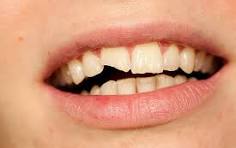
Why a Broken Tooth Hurts: Uncovering the Causes
The intensity of broken tooth pain stems from the tooth’s anatomy. Beneath the hard, protective enamel lies a sensitive layer called dentin, and at the tooth’s core is the pulp, which houses nerves and blood vessels. When a break exposes these inner structures, it leads to heightened sensitivity and pain.
Common Culprits Behind the Fracture
Several factors can lead to a tooth breaking. Trauma from a fall or impact is an obvious cause, but often, fractures happen during everyday activities. Chewing on hard foods like ice, nuts, or hard candy can place excessive stress on teeth. Underlying decay can also weaken the tooth structure from within, making it more susceptible to breaking under normal pressure. Additionally, old, large fillings may not support the remaining enamel adequately, leading to a crack or break over time.
Immediate Steps to Manage Discomfort at Home
While professional care is essential, there are measures you can take immediately to manage the situation before you reach our office.
Protecting the Area
First, gently rinse your mouth with warm salt water to clean the area and reduce the risk of infection. If you can see a sharp edge, cover it with a piece of sugar-free chewing gum or dental wax (available at pharmacies) to prevent it from cutting your cheek or tongue. This is a temporary protective measure only.
Managing Pain and Swelling
Over-the-counter anti-inflammatory pain relievers can help reduce both discomfort and any swelling. Applying a cold compress to the outside of your cheek near the affected area for 15-minute intervals can also provide significant relief. It’s crucial to avoid chewing on that side of your mouth and to stick to soft foods.
Professional Treatments to Resolve the Issue
Temporary relief is not a cure. A fractured tooth requires a professional diagnosis and a tailored treatment plan to restore function, aesthetics, and health permanently.
Evaluation and Diagnosis
Your journey to relief begins with a thorough examination. We use advanced digital imaging to assess the extent of the fracture—whether it’s a minor chip, a crack extending into the dentin, or a more severe break that reaches the pulp. This diagnosis directly informs the best course of treatment to eliminate your broken tooth pain for good.
Restorative Solutions We Provide
The appropriate treatment depends entirely on the severity and location of the break. For minor chips, dental bonding or a veneer might be the perfect, conservative solution. When the damage is more substantial but the pulp is healthy, a dental crown is often recommended. A crown acts as a protective cap, encasing the entire tooth to restore its shape, strength, and appearance. If the fracture has exposed or damaged the nerve, a root canal treatment may be necessary to remove the infected pulp before placing a crown. This procedure relieves the intense broken tooth pain associated with pulp damage and saves the tooth from extraction.
Don’t Delay: The Importance of Timely Care
Postponing treatment for a broken tooth is a risk not worth taking. What starts as a minor crack can quickly progress, allowing bacteria to invade the inner tooth and lead to a painful abscess. Furthermore, the structural integrity of the tooth continues to compromise, potentially turning a repairable situation into one requiring extraction and a more complex replacement, like an implant or bridge. Seeking prompt care is the most effective way to safeguard your oral health and often proves to be more cost-effective in the long run.
Aching from a fractured tooth doesn’t have to be your new normal. If you’re experiencing any level of broken tooth pain, our dedicated team at Bender Dental Care is here to provide the urgent, compassionate, and expert care you need. For more information or to schedule an emergency appointment, please visit our website at benderdentalcare.com or call us directly at (847) 888-4333. Let us help you find lasting relief and a strong, healthy smile.